
ICSI Treatment in Tambaram, Chennai
ICSI is a laboratory step used within IVF when sperm need help to fertilise the egg. At Lakshya Hospitals in East Tambaram, IUI, IVF and ICSI are offered at the same centre, and our team will explain clearly whether ICSI is likely to help in your case.

What is ICSI?
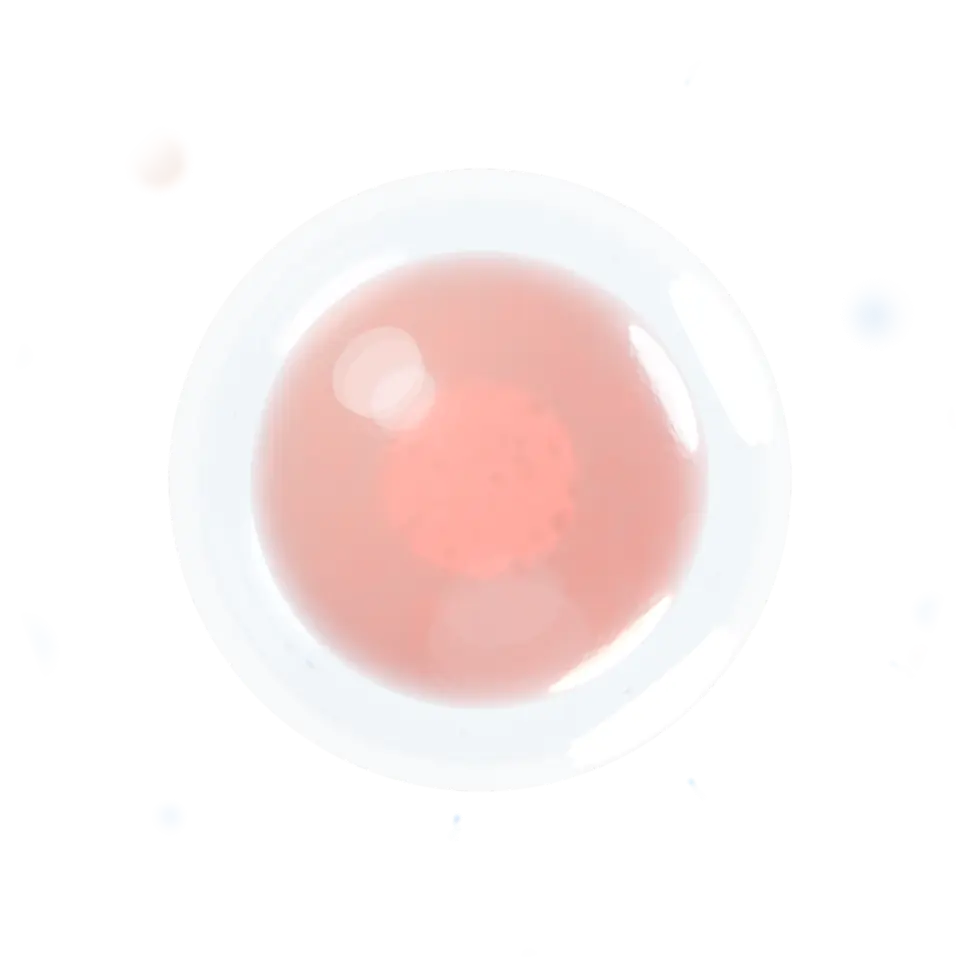
Intracytoplasmic sperm injection (ICSI) is a method of fertilisation used during IVF. Instead of leaving the eggs and sperm together in a dish, an embryologist selects a single sperm and places it directly into each mature egg, using a fine needle under a microscope.
Everything else is the same as an IVF cycle: the ovaries are stimulated, eggs are collected, embryos are grown in the laboratory and an embryo is placed in the uterus.
Who may be advised ICSI?
ICSI may be advised when:
- Sperm count is low, or sperm movement or shape is poor
- Few or no eggs fertilised in an earlier IVF cycle
- Only a small number of eggs is available
- No clear cause has been found and your doctor judges that ICSI may help
ICSI is not needed in every IVF cycle. Your doctor will advise after the semen analysis and other tests.
Our ICSI process in Tambaram
- 1
Consultation and tests
Medical history, scans and hormone and semen tests for both partners.
- 2
Ovarian stimulation
Medicines to help several eggs mature, with scans to track progress.
- 3
Egg retrieval and semen sample
Eggs are collected in a short procedure, usually under sedation. A semen sample is prepared in the laboratory the same day.
- 4
ICSI
A single sperm is placed into each mature egg under a microscope.
- 5
Embryo culture and transfer
The embryos are grown in the laboratory and an embryo is placed in the uterus.
- 6
Pregnancy test
A blood test about two weeks after transfer, with follow-up support.
Preparing for ICSI
Preparation is the same as for IVF. In general:
- Both partners attend the first consultation. Bring earlier test reports, scan reports and treatment records.
- The male partner may be asked for a repeat semen analysis, and is usually asked to avoid ejaculation for a few days before giving the sample.
- Tell the doctor about every medicine and supplement either of you takes.
- Stop smoking and avoid alcohol. Balanced meals, regular activity and enough sleep support your general health.
- Ask about the steps, the consent forms and the costs before you start.
After the procedure
What follows is the same as after IVF:
- The laboratory will tell you how many eggs fertilised. Not every egg fertilises, even with ICSI.
- After embryo transfer you can return to light daily activity. Complete bed rest is not usually needed.
- Continue your medicines exactly as prescribed until your doctor tells you to stop.
- Call the hospital straight away for severe abdominal pain, marked swelling, breathlessness, heavy bleeding or fever.
ICSI and standard IVF compared
| Standard IVF | ICSI | |
|---|---|---|
| How the egg is fertilised | Each egg is placed with many prepared sperm, and fertilisation happens on its own. | One sperm is placed directly into each mature egg. |
| Mainly used when | Sperm tests are normal or nearly normal. | Sperm count, movement or shape is poor, or eggs did not fertilise in an earlier cycle. |
| Medicines, egg collection and embryo transfer | The same. | The same. |
| Eggs that can be used | All the eggs collected are placed with sperm. | Only mature eggs can be injected. |
| Laboratory work | Eggs and sperm are prepared and placed together. | Each egg is handled individually by an embryologist under a microscope. |
ICSI helps the sperm and the egg to meet. It does not change the quality of the eggs or of the embryos, which is why it is not advised for every couple.
In the laboratory: from egg collection to transfer
| When | What happens |
|---|---|
| The day of egg collection | The eggs are collected and checked for maturity. The semen sample is prepared, and one sperm is injected into each mature egg. |
| The next day | The embryologist checks which eggs have fertilised. |
| The following days | The fertilised eggs are grown in the laboratory as embryos and checked as they develop. |
| Transfer or freezing | An embryo is placed in the uterus, or embryos are frozen for transfer in a later cycle, as your doctor advises. |
| About two weeks after transfer | A blood test for pregnancy. |
The numbers usually fall at each step: not every egg is mature, not every mature egg fertilises, and not every fertilised egg develops into an embryo that can be transferred. Your team will tell you the numbers at each stage.
Read moreAn IVF cycle, stage by stageFresh and frozen embryo transfer
Where the sperm come from
In most ICSI cycles the sperm come from a semen sample given on the day of egg collection. Because only one sperm is needed for each egg, ICSI can be used even when the count is very low.
If giving a sample on the day is likely to be difficult, a sample can sometimes be frozen in advance. When there are no sperm in the semen, sperm can in some cases be collected directly from the testis, or from the tube beside it, in a minor procedure. Whether this is possible depends on the cause, and your doctor will advise after the semen analysis and other tests.
Read moreMale fertility
What ICSI can and cannot do
- It can overcome a low sperm count, poor sperm movement or shape, and failure of fertilisation in an earlier cycle.
- It cannot improve egg quality, which depends mostly on the woman’s age.
- It does not make an embryo more likely to implant once fertilisation has happened.
- It does not remove the need for the medicines, scans and egg collection of an IVF cycle.
For these reasons, standard IVF is often enough when sperm tests are normal. Your doctor will explain why ICSI is or is not advised for you.
Is ICSI safe for the baby?
ICSI has been in use around the world since the early 1990s, and most babies born after ICSI are healthy.
Studies have found a slightly higher chance of some health conditions in children born after IVF and ICSI than in children conceived naturally. Part of this difference is thought to come from the causes of infertility themselves, and not only from the procedure.
Some causes of a very low sperm count are genetic and can be passed from father to son. Where this is suspected, your doctor may advise genetic tests and counselling before treatment. Ask your doctor to explain what is known and what applies to you.
Read moreIVF risks and side effectsVideo: genetic testing of embryos
Questions to ask before ICSI
- Why is ICSI advised for us, and not standard IVF?
- What did our semen analysis show, and should it be repeated?
- How many eggs are likely to be suitable for injection?
- What happens if no eggs fertilise?
- Will the embryo be transferred in this cycle, or frozen and transferred later?
- What are the risks for me and for the baby?
- What will the full cycle cost, including the medicines and the ICSI step?
- Whom do we call outside working hours during treatment?
Meet your doctors

Dr. N. Chithraa, MBBS, MD (FRM)
Medical Director · Fertility Specialist
More than 25 years in obstetrics, gynaecology and fertility medicine.
View full profile
Dr. K. Rajarajan
Lab Director
Embryologist with over 10 years of experience in advanced fertility treatments.
View full profileFrequently asked questions
What is the difference between IVF and ICSI? IVF-க்கும் ICSI-க்கும் என்ன வித்தியாசம்?
In standard IVF, each egg is placed with many sperm and fertilisation happens on its own in the laboratory dish. In ICSI, one sperm is placed directly into each egg. The rest of the treatment is the same.
வழக்கமான IVF-இல் ஒவ்வொரு கருமுட்டையும் பல விந்தணுக்களுடன் வைக்கப்படுகிறது; கருவுறுதல் ஆய்வகத்தில் தானாக நடக்கிறது. ICSI-இல் ஒவ்வொரு கருமுட்டைக்குள்ளும் ஒரு விந்தணு நேரடியாகச் செலுத்தப்படுகிறது. மற்ற சிகிச்சைப் படிகள் ஒன்றே.
Is ICSI better than IVF? IVF-ஐ விட ICSI சிறந்ததா?
Not for everyone. ICSI helps when sperm are the main difficulty or when eggs did not fertilise before. When sperm tests are normal, standard IVF is often enough. Your doctor will advise which is suitable for you.
எல்லோருக்கும் அல்ல. விந்தணு தொடர்பான சிக்கல் முக்கியக் காரணமாக இருக்கும்போது அல்லது முன்பு கருமுட்டைகள் கருவுறாதபோது ICSI உதவுகிறது. விந்து பரிசோதனை இயல்பாக இருந்தால் வழக்கமான IVF பெரும்பாலும் போதுமானது. உங்களுக்கு எது பொருத்தம் என்பதை மருத்துவர் கூறுவார்.
Does ICSI guarantee fertilisation or pregnancy? ICSI செய்தால் கருவுறுதல் அல்லது கர்ப்பம் உறுதியா?
No. ICSI improves the chance that eggs fertilise when sperm are the difficulty, but not every egg fertilises and not every embryo leads to pregnancy. Success depends mainly on age and on egg and sperm quality. No clinic can guarantee a pregnancy.
இல்லை. விந்தணு தொடர்பான சிக்கல் இருக்கும்போது கருமுட்டைகள் கருவுறும் வாய்ப்பை ICSI அதிகரிக்கிறது; ஆனால் எல்லா கருமுட்டைகளும் கருவுறுவதில்லை, எல்லா கருக்களும் கர்ப்பமாக மாறுவதில்லை. வெற்றி முக்கியமாக வயது, கருமுட்டை மற்றும் விந்தணுவின் தரத்தைப் பொறுத்தது. எந்த மருத்துவமனையாலும் கர்ப்பத்தை உறுதியளிக்க முடியாது.
Are there risks with ICSI? ICSI-இல் ஆபத்துகள் உள்ளனவா?
The risks are mostly those of IVF: ovarian hyperstimulation, multiple pregnancy and medicine side effects. A small number of eggs can be damaged during the injection. Your doctor will explain the risks before you decide.
பெரும்பாலான ஆபத்துகள் IVF-இல் உள்ளவையே: சினைப்பை அளவுக்கு அதிகமாகத் தூண்டப்படுதல், ஒன்றுக்கு மேற்பட்ட குழந்தைகள் கருத்தரித்தல், மருந்துகளின் பக்கவிளைவுகள். ஊசி செலுத்தும்போது சில கருமுட்டைகள் சேதமடையலாம். முடிவு செய்வதற்கு முன் மருத்துவர் ஆபத்துகளை விளக்குவார்.
How much does ICSI cost in Tambaram? தாம்பரத்தில் ICSI சிகிச்சைக்கு எவ்வளவு செலவாகும்?
It differs from couple to couple. ICSI is an added laboratory step within an IVF cycle, so the cost depends on the IVF medicines and tests you need as well as the ICSI itself. The hospital will explain the expected costs for your own plan before treatment starts. Call 073585 12771 to ask.
இது ஒவ்வொரு தம்பதிக்கும் மாறுபடும். ICSI என்பது IVF சுழற்சிக்குள் கூடுதலாகச் செய்யப்படும் ஆய்வகப் படி; எனவே செலவு ICSI மட்டுமல்லாமல் IVF-க்குத் தேவையான மருந்துகள் மற்றும் பரிசோதனைகளையும் பொறுத்தது. சிகிச்சை தொடங்கும் முன் உங்கள் திட்டத்திற்கான செலவை மருத்துவமனை விளக்கும். விவரங்களுக்கு 073585 12771 என்ற எண்ணை அழைக்கவும்.
When should I see a fertility specialist? கருத்தரிப்பு நிபுணரை எப்போது பார்க்க வேண்டும்?
Consider a consultation after 12 months of trying (or 6 months if the woman is over 35), or sooner if you have irregular periods, known tubal problems or a history of miscarriages.
12 மாதங்கள் முயற்சித்தும் கருத்தரிக்கவில்லை என்றால் (பெண்ணின் வயது 35-க்கு மேல் என்றால் 6 மாதங்கள்) ஆலோசனை பெறலாம். மாதவிடாய் ஒழுங்கற்று இருந்தால், கருக்குழாய் பிரச்சினை இருப்பது தெரிந்திருந்தால், அல்லது முன்பு கருச்சிதைவுகள் ஏற்பட்டிருந்தால் அதற்கு முன்பே வரலாம்.
Why families choose Lakshya
- IUI, IVF and ICSI offered at the same centre
- An ART laboratory led by an embryologist, Dr. K. Rajarajan
- Treatment plans based on your own test results and history
- Respectful, confidential counselling and emotional support
Visit us in Tambaram
- Address18, Vyasar St, East Tambaram, Tambaram, Chennai, Tamil Nadu 600059
- Phone073585 12771
- Opening Hours24/7 Emergency Service
Getting here. Lakshya Hospitals is on Vyasar Street in East Tambaram, on the east side of Tambaram railway station. Nearby areas include Selaiyur, Sembakkam, Chromepet and Perungalathur.


